Study in Norway
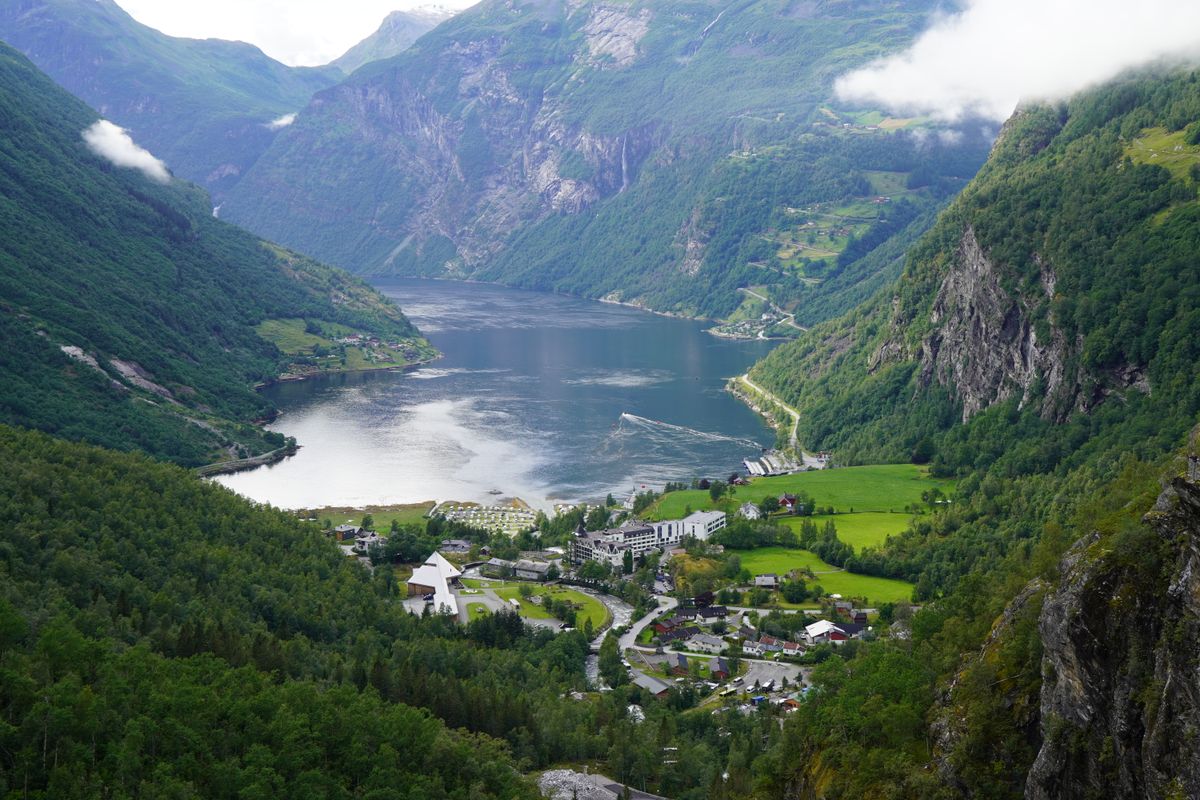
A forward-thinking Scandinavian nation in Northwestern Europe, Norway combines world-class research with a quality of life that few destinations can match. With a strong academic reputation and welcoming environment for international students, it is an outstanding choice for postgraduate study and research.
- High Quality Education: Top-ranked universities globally
- Low Tuition Fees: Most public universities charge no tuition
- Spouse Can Work Full Time: Your partner gets full work rights
- Scholarship Opportunities: Norwegian Government Scholarship available
- Work After Study: Up to 3-year post-study residence permit
Why choose Norway?
Norway invests heavily in higher education and research, delivering a learning experience that is both rigorous and innovative. With three categories of public higher education institutions, breathtaking natural surroundings and generous working rights, the country is ideal for students seeking long-term academic and career growth.
Education & programs
Norwegian universities focus on Master’s and Doctorate programmes for international students. Direct Bachelor’s programmes are generally not available, although students can join Bachelor-level exchange programmes through institutional partnerships.
Session & deadlines
Plan ahead. Knowing intake windows early makes a real difference to your application.
Autumn Intake
Teaching begins in August. Applications are accepted between 15 October and 15 November.
Language requirements
- Bachelor's
Direct Bachelor’s admission is limited; exchange routes may apply with programme-specific requirements.
- Master's
Minimum IELTS overall 6.0–6.5 with no band below 6.0.
Tuition fees
- Master's programmes: approximately €16,000 – €22,000 per year on average.
Students must deposit a block amount of NOK 151,690 in a designated account as proof of funds for their stay.
Scholarship opportunities
Tuition-free structure limits separate scholarships.
Because most public universities charge little or no tuition, dedicated international scholarships are limited; living-cost funding routes may still be available via select programmes.
Essential financial commitments
Key application and processing fees to budget for.
Career advancement & residency paths
From work permits to permanent residency, here's what to expect after graduation.
Permanent Residency (PR)
After graduation, students can extend their stay with a one-year work permit and apply for Permanent Residency after three years of legal residence in Norway.
Job Opportunities
Non-EU students may work up to 20 hours per week during semesters and full-time during summer and December breaks. The minimum wage is around NOK 170 per hour.
Post-Study Options
Graduates receive a one-year job-searching residence permit after completing their studies.
Spouse / Dependent Visa
Students are allowed to apply for dependent visas for their spouse and children.
General document requirements
Keep these ready and up to date. We'll guide you on country-specific formats and attestation.
Passport
A valid passport with at least 6 months of validity remaining at the time of application.
Academic Transcripts
Certified copies of transcripts and certificates from all previous institutions.
Language Proficiency
An accepted English test score such as IELTS, TOEFL, PTE or an approved MOI certificate.
Statement of Purpose
A focused personal statement outlining your study goals, motivation and career plans.
Recommendation Letters
At least two letters from professors or employers who know your work well.
Financial Documents
Bank statements, FDR or sponsor papers proving funds for tuition and living costs.
Visa Application Form
A fully completed and signed visa form specific to your destination country.
Health Insurance
Valid coverage that meets the host country requirements for your entire stay.
Ready to begin your Norway journey?
Book a free consultation. We'll map out universities, scholarships and visa steps tailored to your profile.